
Choosing the right respiratory therapy degree Alhambra program can shape not only your education but also the opportunities available throughout your healthcare career.
Respiratory therapists play a vital role in helping patients of all ages manage breathing disorders, recover after surgery, and receive life-saving care in emergency and critical care settings.
As healthcare systems continue to expand, employers are looking for graduates who combine strong clinical knowledge with practical experience, communication skills, and confidence in real-world environments.
That makes selecting the right program far more important than simply finding one that is close to home.
If you’re comparing your options, take time to explore curriculum details, accreditation, clinical training opportunities, and career preparation before making your decision.
You can also learn more about a respiratory therapy degree Alhambra program to better understand what a bachelor’s pathway typically includes.
Table of Contents
Start With Accreditation
Accreditation should be one of the first things you verify before applying.
An accredited program demonstrates that it meets established educational standards recognized by the profession.
Graduating from an accredited school may also affect your eligibility for licensing exams, financial aid, and future employment opportunities.
Imagine spending years earning a degree only to discover that it doesn’t meet employer or certification requirements.
Checking accreditation early can help you avoid that situation entirely.
It also gives employers confidence that graduates have completed a curriculum aligned with current healthcare standards.
Evaluate the Curriculum Beyond the Basics
A strong respiratory therapy curriculum goes beyond teaching anatomy and physiology.
Students should gain a solid understanding of pulmonary diseases, mechanical ventilation, cardiopulmonary assessment, pharmacology, neonatal care, and emergency respiratory procedures.
Many modern healthcare environments also rely heavily on evidence-based practice and technology.
Programs that include critical thinking, patient assessment, and clinical decision-making often prepare students more effectively for today’s hospitals and healthcare facilities.
As you compare schools, look closely at course descriptions instead of relying only on program summaries.
Small curriculum differences can have a meaningful impact on your preparation after graduation.
Look for Hands-On Clinical Experience
Healthcare careers cannot be learned entirely in a classroom.
Clinical rotations allow students to apply what they’ve studied while working alongside experienced healthcare professionals.
For example, a student might learn ventilator management during lectures but truly understand its importance after assisting with patient care in an intensive care unit.
These supervised experiences build confidence while exposing students to different patient populations and healthcare settings.
The more varied the clinical training, the better prepared graduates often feel when entering the workforce.
Consider Faculty Experience
Experienced instructors bring valuable insights that extend beyond textbooks.
Faculty members who have worked in respiratory care understand how classroom concepts translate into everyday patient situations.
They can explain why certain treatment decisions are made, how healthcare teams collaborate, and what students should realistically expect during clinical practice.
Learning from professionals with practical experience often makes complex topics easier to understand.
It also helps students connect theory with real-life healthcare scenarios.
Think About Learning Flexibility
Many students balance school with work, family responsibilities, or other commitments.
Flexible scheduling can make completing a degree much more manageable.
Some programs combine online coursework with in-person clinical training, allowing students to complete academic requirements while maintaining other responsibilities.
This approach doesn’t eliminate the hands-on portion of respiratory education.
Instead, it provides greater flexibility for completing lecture-based courses while still meeting clinical requirements.
For many adult learners, that balance makes higher education far more accessible.
Explore Clinical Partnerships
Not every program offers the same clinical opportunities.
Strong partnerships with hospitals, rehabilitation centers, specialty clinics, and healthcare organizations can expose students to a wider variety of respiratory conditions.
One student might spend time treating pediatric asthma patients, while another rotation introduces them to adults recovering from complex surgeries.
These experiences broaden clinical skills and help students discover which healthcare environment best fits their career goals.
Exposure to multiple settings also makes graduates more adaptable when entering the workforce.
Ask About Student Support
Success in healthcare education often depends on more than classroom instruction.
Academic advising, tutoring services, career counseling, and faculty mentorship can make a significant difference throughout a demanding program.
Healthcare coursework can be challenging, especially during advanced clinical training.
Students who have access to consistent academic support often navigate difficult courses more confidently.
Career services can also help with resume preparation, interview coaching, and understanding employer expectations before graduation.
Understand Career Preparation
Earning a degree is only one step toward becoming a respiratory therapist.
Students should also prepare for professional credentialing, licensing requirements, and job interviews.
Programs that incorporate exam preparation into the curriculum often help students feel more confident before graduation.
Career readiness may also include professional communication, ethical decision-making, teamwork, and patient education.
These soft skills matter just as much as technical knowledge in today’s healthcare settings.
Healthcare employers consistently value professionals who communicate effectively with patients, physicians, nurses, and families.
Look Beyond Graduation Rates
Graduation statistics provide useful information, but they don’t tell the complete story.
Ask how graduates transition into employment.
Do students receive interview preparation?
Are employers actively recruiting from the program?
What types of healthcare facilities hire recent graduates?
For example, some graduates may begin working in intensive care units, while others find opportunities in pulmonary rehabilitation centers, sleep laboratories, emergency departments, or home healthcare services.
Understanding these career pathways helps you picture where your own education could lead.
Compare Technology and Learning Resources
Respiratory care continues to evolve alongside advances in medical technology.
Students benefit from learning with equipment that reflects what they will encounter in professional practice.
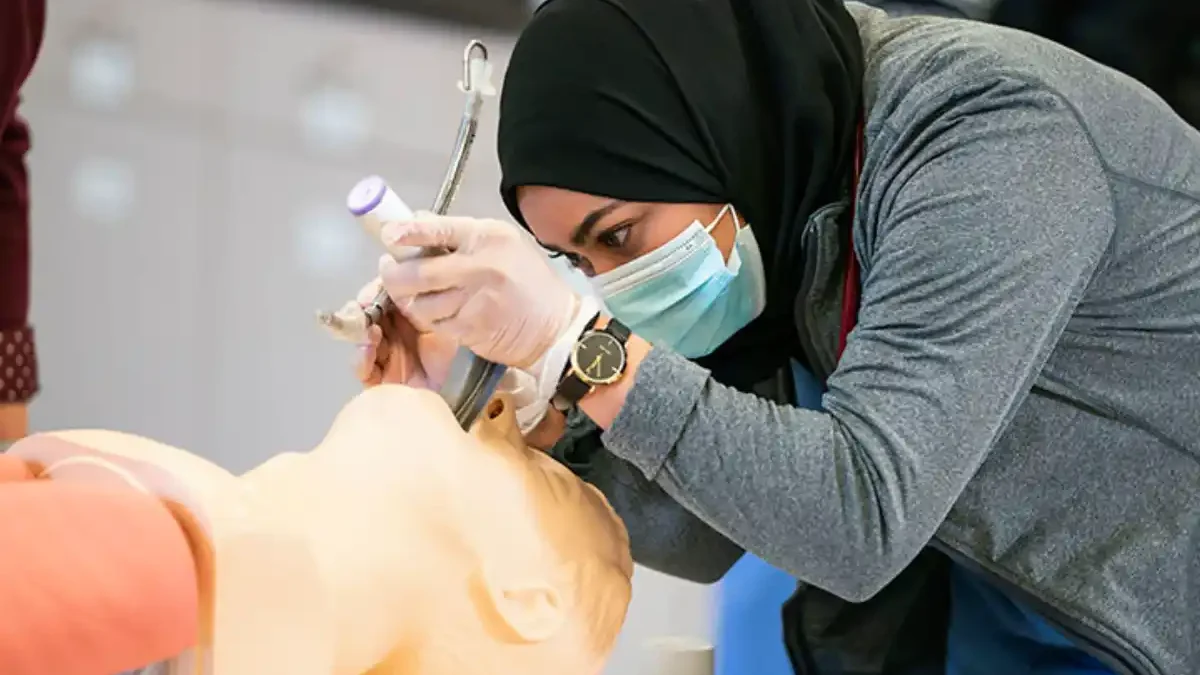
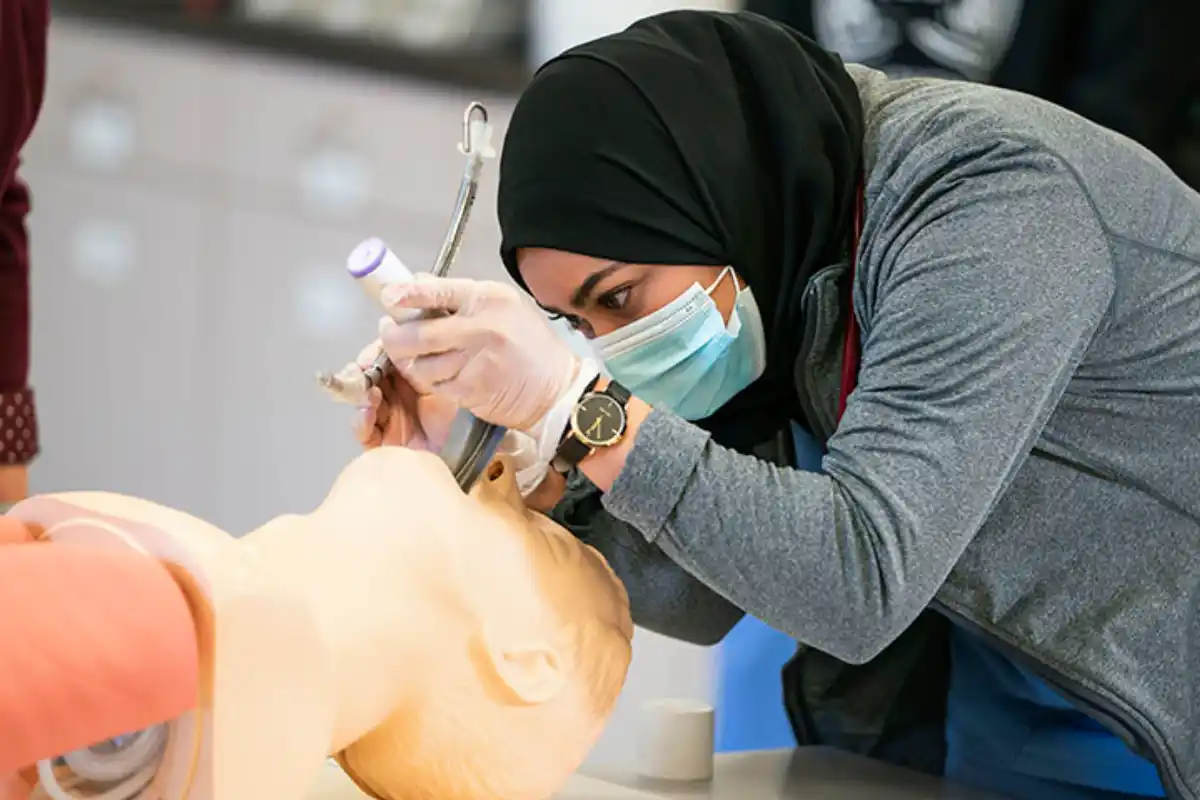
Simulation labs, modern respiratory devices, patient assessment technology, and computerized learning tools can strengthen both confidence and clinical competence.
Simulation exercises are especially valuable because they allow students to practice responding to emergencies before treating actual patients.
Making mistakes in a controlled learning environment creates valuable learning opportunities without compromising patient safety.
Think About Long-Term Career Growth
Many prospective students focus only on earning their first job.
A better approach is considering where your education can take you five or ten years later.
Respiratory therapists often pursue leadership positions, education, disease management, pulmonary rehabilitation, neonatal care, or advanced clinical specialties.
A bachelor’s degree can support future professional development and create additional opportunities throughout a healthcare career.
Choosing a program with long-term growth in mind provides greater flexibility as your interests evolve.
Making a Confident Decision
Selecting the right respiratory therapy program requires more than comparing tuition costs or campus locations.
Accreditation, clinical education, experienced faculty, flexible learning options, student support, and career preparation all contribute to a stronger educational experience.
Taking the time to research each of these areas can help you choose a program that prepares you for both certification and long-term success.
A thoughtful decision today can become the foundation for a rewarding career helping patients breathe easier while making a meaningful difference in healthcare every day.